Elijah Williams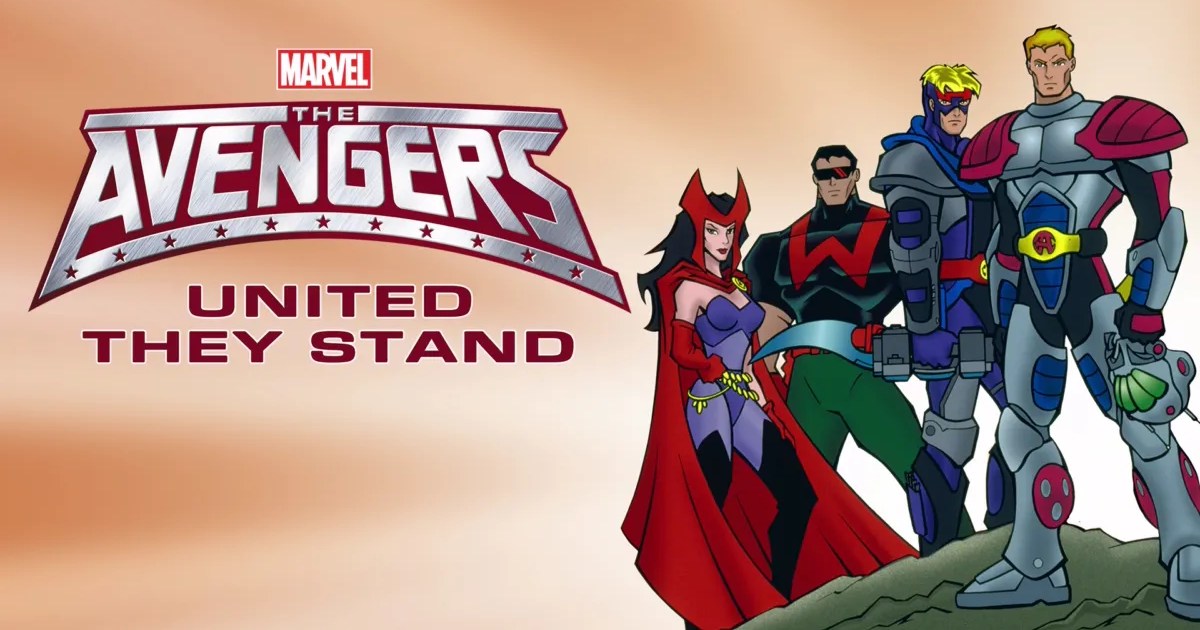
Once upon a time, Fox Kids was the go-to channel for superhero cartoons, dominating ratings across various demographics. But then, the competition heated up. Disney bought and revamped ABC, Nickelodeon strengthened its loyal viewership, and the WB expanded using cartoons that used to air on Fox. In response, Fox decided to revisit their superhero roots and spotlight a group of characters who had been guest stars but never got their moment in the limelight. The result was The Avengers: United They Stand, a show that left fans disappointed and is often labeled as the worst Marvel animated show. But is that the real reason why it’s barely remembered?
The Avengers, a 1999 program, was the fourth animated show produced by Saban Entertainment, which also distributed four other Marvel cartoons. The original writers, Robert N. Skir and Marty Isenberg, were praised for their work on other Fox superhero shows and were asked to write a treatment for an Avengers show. They submitted a program bible and a 13-episode story draft, but the network decided to shift gears and focus on Captain America instead. Unfortunately, this was during Marvel’s bankruptcy crisis, and the rights to many characters were being sold off to keep the company afloat. A show featuring Captain America was not feasible at the time, and by the time things were settled, the original writers had moved on. A new team had to step in and make up for lost time, with director Ron Myrick (Sonic the Hedgehog, Garfield and Friends) taking the helm, and Eric and Julia Lewald stepping in as story editors after their success with the 1992 X-Men cartoon.
With such a talented team, you’d expect the show to be a hit. However, United They Stand faced numerous challenges. It was the product of two different sets of showrunners, with the second set facing more restrictions and a tighter schedule. Iconic characters like Captain America, Iron Man, and Thor were no longer main characters, leading to major rewrites and a drastically different team roster. Despite these challenges, the crew tried to turn this into a positive, focusing on team dynamics rather than individual characters. In some ways, this became the show’s strongest aspect.
The team was inspired by the ‘80s West Coast Avengers comics. While my brother is the only person I know who praises that team, I was excited to see lesser-known characters take on bigger roles. Ant-Man leads the team alongside his wife, Wasp, a veteran member of the team. They guide Hawkeye, Tigra, Scarlet Witch, and Wonder Man into battle, with Vision and Falcon joining the team within the first two episodes. On paper, this seems like a balanced team, with flawed characters striving to live up to the Avengers name. I was particularly excited to see more of Wonder Man, who has a new show coming up, but unfortunately, he spends most of these episodes in a coma. And as for Ant-Man, well, let’s just say the jokes about him beating his wife never seem to end.
The show also features a decent selection of villains. I particularly enjoyed this version of Kang the Conqueror and found Egghead surprisingly effective. Swordsman and Attuma are entertaining, and while they aren’t great, I thought making the Zodiac a threat was an interesting twist. We also have an episode with the Masters of Evil and the Salem’s Seven attacking Agatha Harkness long before that Disney+ show. The worst antagonist award goes to Grim Reaper for his presentation, but honestly, it has to be Ultron, who acts as their main baddie. He’s a machine with serious daddy issues who can switch from threatening to ridiculous at a moment’s notice.
The character artwork is interesting, featuring bold lines and hard angles that attempt to stick to a traditional style while overdoing the gloss and highlights. Infamous Marvel producer Avi Arad wanted something traditional yet distinctive, and he thought the result was sophisticated. While it’s certainly not boring, the use of color is so dull that nothing stands out. Some elements, like close-ups of the eyes, look intriguing on their own but seem mismatched in wider shots. The backgrounds are intricate but often wasted. Some character movements look jarring, and the use of CGI is distracting. The intro perfectly showcases the art at its best and worst, with a distracting split screen and so much group footage that it’s hard to follow. The theme song by Sky Flyers is solid, but it’s not as catchy as many other themes from this genre.
The heroes were also given armor for this show. This was done to help them stand out and because transformation sequences were popular in shows like Power Rangers and Sailor Moon. Plus, reusing them helps save on animation costs. In the story, the armor is used for operating in different environments, and the tie-in comics claim the suits also use Pym particles to help the combatants ignore pain even if their limbs are broken. Some of these look fine, and at the time, they acted as an update for a few outdated looks, especially with the masks, but overall, it doesn’t quite work. Some of the designs (mostly the bad guys, one of them has a studded codpiece) remind me more of art from the Mega Man X series. I do like their vehicles, especially the plane, but it’s hard not to realize how many of these decisions were probably made solely to help sell toys.
Interestingly, this series is set about 25 years in the future, around 2024. This explains some of the technology and a few of the more interesting backgrounds – like Blade Runner if daylight was still a thing. This leap in years was supposedly due to the success of Batman Beyond, but that was a show where the time felt important to the setting and gave the program more character.
The writing has its moments of brilliance and clever bits, but most of that is tied to relationships between the characters and potential setups for episodes we never received. Ant-Man’s struggle to live up to Captain America’s legacy as a leader is handled well, and the show manages to explain how Vision ended up with Wonder Man’s mental patterns (something about brain engrams) without all of the comics’ baggage, setting up the love triangle with them and Wanda. We see some solid moments with the bad guys living up to their potential in this program, and things don’t end well for all of them, which was cool to see in a kids’ show.
However, the show fails with the relationship between Ant-Man and Ultron, giving us no reason to care about the leader of this team having created their greatest enemy. The “bro-ship” between Hawkeye and Wonder Man feels forced, especially with bits of awkward dialogue, some of which come off as sexually charged, even if unintentional. Some of the logic is confusing as well, with moments where the characters overcome tense problems too easily, almost like parts were cut for time. This show also made me question how Absorbing Man’s powers actually work, even though I thought I knew.
There are some character details that I wish had been expanded on, like Wanda and Wonder Man’s relationship, Falcon’s earlier work with Captain America, Hawkeye’s hearing disability, and although I get it, some of these will make no sense to those who don’t read the comics, like Namor being questioned because he’s a half-breed. This cartoon also tweaked Tigra’s origin and I wanted more explanation on her past with the team. Hawkeye probably gets it the worst in this show, however, as they made him such an angry try-hard who keeps talking about coffee like they wanted their own Wolverine or Grifter but were stuck with Clint. They spent a lot of time reining him in from showing off, not following orders, and talking trash, but the writers did let him shoot arrows and be effective in space.
The voice acting isn’t part of the problem, well, for the most part. Once again, we have some incredibly talented names on paper, with Linda Ballantyne (Sailor Moon, George of the Jungle) as Wasp, Tony Daniels (X-Men: Mutant Academy, Eerie, Indiana: The Other Dimension) as Hawkeye, Stavroula Logothettis (My Big Fat Greek Wedding) as Scarlet Witch, Martin Roach (Resident Evil – Code: Veronica, Locke & Key) as Falcon, Ron Ruben (X-Men, Sailor Moon) as Vision, and Rod Wilson (WildC.A.T.s: Covert Action Teams, Resident Evil 2) as Ant-Man. There were even a couple of smaller performances, like Carolyn Larson (Mega Man Legends) and Ray Landry (X-Men: Mutant Academy), that stood out, but not all of the voices worked. I hate to clown on Ultron again because he’s played by John Stocker (Babar), who was superb as Toad in the Super Mario Bros. Super Show, but I can’t say his voice worked here, and I have to wonder if some of that was the direction he and others were given. Also, a big shout-out to Lenore Zann. Most of us know her as Rogue from the 1992 X-Men or maybe Outlaw Star, but sadly, she isn’t given much to work with in this show, and her being so recognizable is distracting, while placing her as Tigra feels a bit like a letdown.
United They Stand wasn’t a disaster, but it certainly didn’t live up to its potential. Despite having the right people involved, many elements just didn’t click, and the poor ratings reflected that. This was the first Avengers cartoon (Many of the characters showed up in The Marvel Super Heroes (1966), but the team wasn’t the focus), but it aired over a year later than anticipated, and this was before the average person knew who most of these characters were. There was plenty of marketing behind the product, as it saw a tie-in comic and toy line. It came out facing down the doomsday clock as Fox was preparing to make some dramatic changes to their programming. The show would have needed some pretty substantial viewership numbers to stick around, but there were already plans being ironed out for the proposed second season.
The showrunners wanted to do stories to give more background on Hawkeye and Scarlet Witch as well as bring back many of the villains from the first set of episodes, but the big selling point was going to be a slew of new guest characters. Thor would finally get his time to shine and fight his brother Loki. He even already had an action figure in the toyline to help with the hype. Bruce Banner was believed to be on the slate as well and they really wanted an episode or two with the X-Men, since there was bleed-over from the cast of the 1992 show and they were on good terms with the rest of the voice actors.
Would that have been enough, though? It’s hard to say if a second season would have fixed most of these problems, but several people seemed to think so until everything came crashing to a halt. It’s hard not to speculate how much better the show would have been if they’d been able to use the original scripts or maybe different members, but no one knows for sure. This team of Avengers simply couldn’t rise to the challenge, and they wouldn’t try again properly for another ten years with The Avengers: Earth’s Mightiest Heroes. The show is streaming on Disney+ for those who want to check it out for themselves, and see this interesting Marvel oddity, just don’t be too surprised if this approach doesn’t feel too familiar.